
Resources for People with Diabetes





Resources for Healthcare Professionals




Different types of diabetes technology
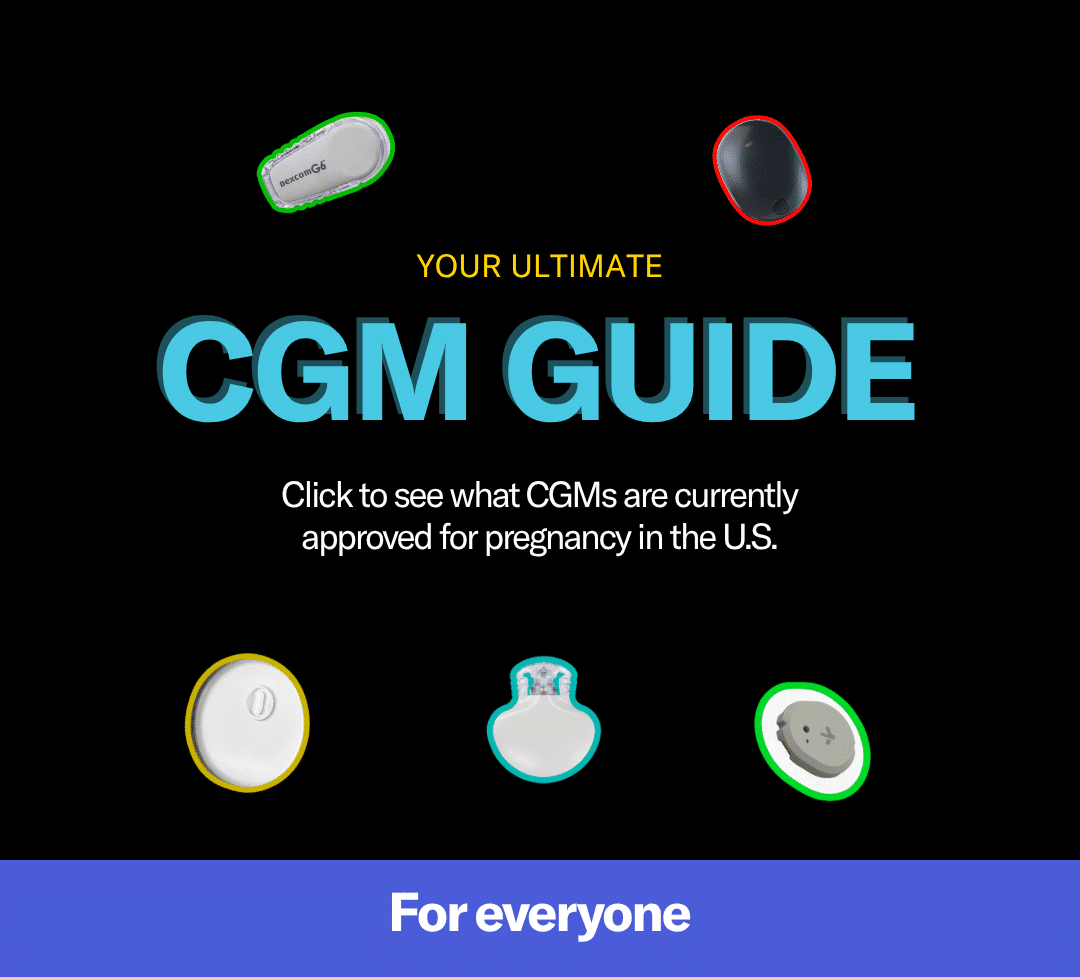
A continuous glucose monitor (CGM) tracks glucose around the clock, providing updated levels every 1 to 5 minutes without any action required by the user. Most CGMs consist of a sensor worn on the skin (with a small wire inserted under the skin and a transmitter attached to a sticky patch) and a smartphone app or receiver device that displays readings.
CGMs help people with diabetes who are pregnant have less fingersticks, keep a closer eye on their glucose, identify glucose patterns, and so much more.
With more knowledge about your blood glucose and the factors affecting it, you can spend more time focusing on life outside of your diabetes. Find out more about CGMs below.
Different kinds of CGM available
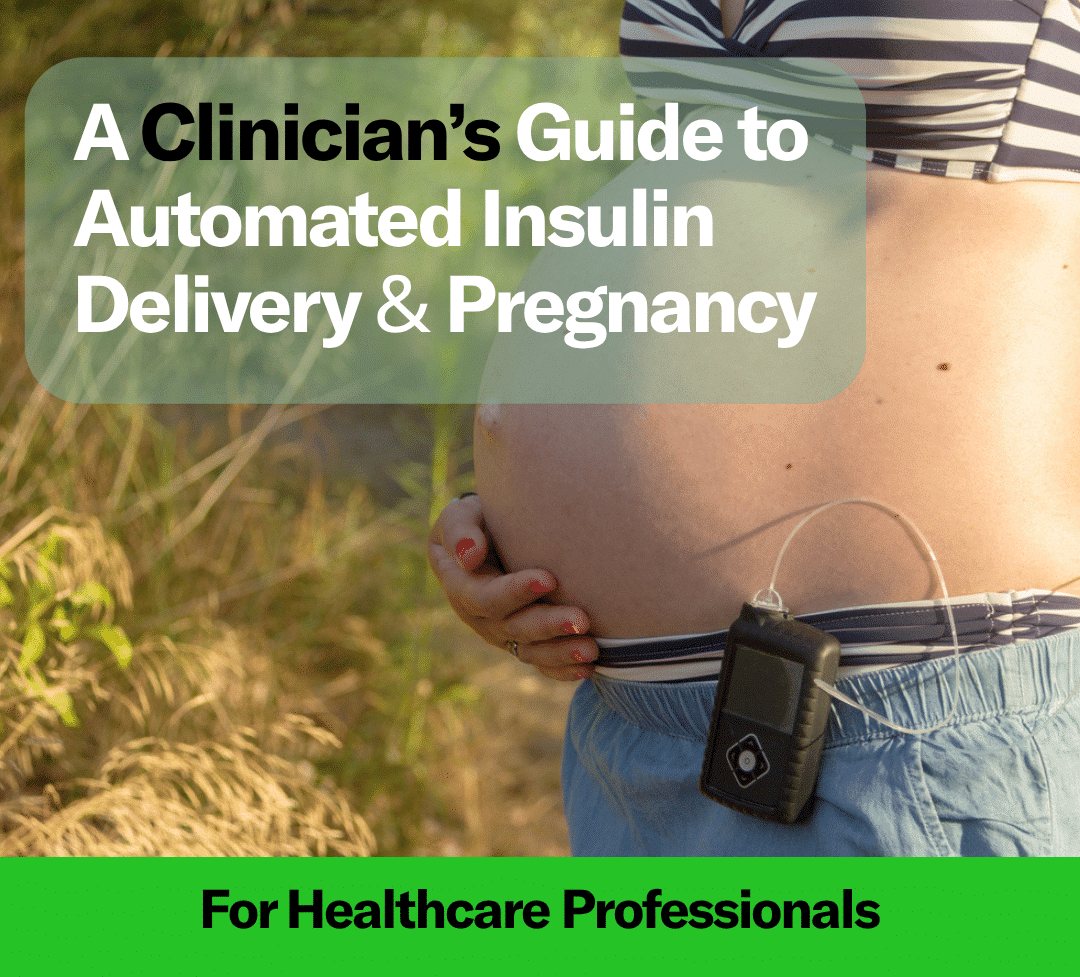
An AID system consists of a sensor and insulin pump that “talk,” and an algorithm that adjusts the insulin you receive based on your glucose levels.
Examples of AID systems available in the United States include Insulet Omnipod 5, Medtronic MiniMed780G, Tandem t:Slim or Mobi with Control-IQ, Sequel Twiist, and Beta Bionics iLet.
In pregnancy with type 1 diabetes, some AID systems have been shown to increase time spent in the pregnancy target range (63–140 mg/dL) by up to 15% on average compared to MDI or open-loop pump therapy with a CGM. This is key, because every additional 5% time in pregnancy range has been shown to reduce risks for you and your baby.
AID systems are safe for pregnancy. Find out more about AID below!
Different AID systems available