

CGM is an incredible tool for people with any kind of diabetes. It can help lower A1C, decrease risk of diabetes-related complications, and so much more. More and more people with type 2 diabetes are using CGM to thrive with diabetes.
Managing type 2 diabetes is a lot of work. It really takes a team to be successful, but no matter who your team is, the person with diabetes is ultimately the one spending the most time managing their diabetes. That can be a heavy burden—but the good news is that there are all kinds of tools that can help you feel more excited, empowered, and confident in your self-management.
A commonly used tool is continuous glucose monitoring (CGM). These devices allow you to see your glucose continuously while you wear the sensor. This might sound daunting—but remember, the benefits of wearing a CGM are incredible. It can help lower A1C, reduce risk of long-term complications, and improve quality of life.
Wearing a CGM is not painful, and it can really help to make sense of how your life activities affect your glucose. Most importantly, it can also help you be more safe. People often see a reduction of hypoglycemia (low blood sugar) and a decrease in their A1C which helps decrease the risk of diabetes-related complications. This recent study found that CGM data helps healthcare teams provide more individualized care to people with diabetes too!
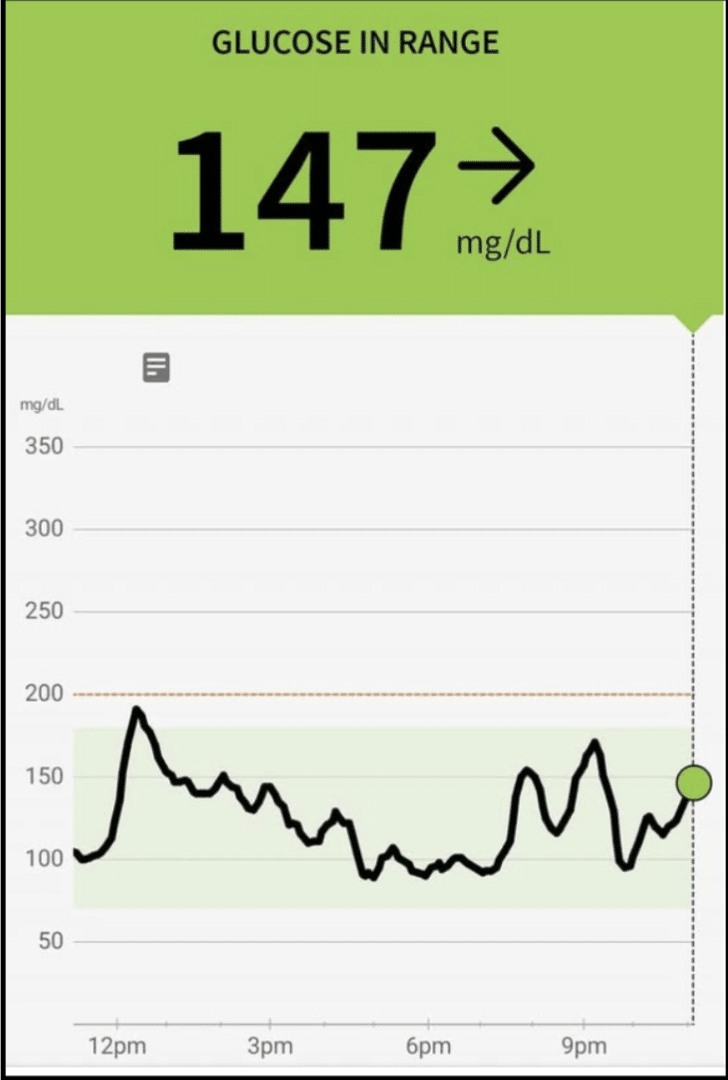
One of the more challenging features of diabetes is not knowing what makes your glucose go up or down (there are 42 factors that affect glucose!). It can feel frustrating to feel surprised by a finger stick that does not make sense based on the way you feel or what you were doing at the time—and that makes sense. CGM gives you readings every 5 minutes and shows you a graph of what your glucose levels look like, so you can see the entire picture of your glucose levels, all on your phone. Using a CGM can unveil those invisible patterns by showing the glucose trend over time. (See image 1)
Typically, CGM is covered by insurance for people with type 2 diabetes who take insulin, with expanded coverage for people not using insulin depending on insurance plans and state. Recent studies have shown that CGM use also improves glucose levels for people with type 2 diabetes who are not taking insulin. Always check with your healthcare team and your insurance to see what coverage looks like for you—CGM coverage is often growing, you might be surprised you actually have coverage! If you want a CGM, watch this video for step-by-step instructions on how to request one from your healthcare team.
You can get information about your choices for CGMs at Diabeteswise.org, or by downloading this guide. This can help you become familiar with the available CGMs and allows you to compare them, as well as providing you with other users’ experiences.
CGMs can help you feel like you have a better sense of what is going on with your diabetes, and feel more in control. For example, if you ate a piece of pizza that you really like, you’re able to see exactly what it does to your glucose levels, and then change your treatment based on that pattern next time you want pizza. It might look like taking a walk after you eat, or taking a bit more insulin.
CGMs are incredible tools, but it’s important to figure out if it’s the right one for you. Some people will find that it might be overwhelming to see their glucose all of the time. Others might find that if their glucose is running high much of the time, the alarms will bother them. The good news is this is a tool you can choose to use—every day or every few weeks based on how it helps you. You are in the driver’s seat. Some people wear CGMs when changes are made in their treatment regimen, while other people use them all of the time. There are also many tips and tricks to make wearing a CGM a little easier!
If you are curious and want to try a CGM, check out this free toolkit that guides you on your CGM journey. You can also bring it up with your healthcare team and ask the following questions.
- Do I qualify for a CGM?
- Which CGM might be covered for me?
- What should I expect when I wear the CGM?
- What are the glucose ranges that are ideal for me?
- What happens if my glucose goes too low or too high?
- Where can I wear a CGM?
CGM can change lives. It takes the burden of fingersticking and confusion away and gives you convenience and answers.